
Cold Air, High Altitude, and Skin That Can’t Keep Up
Skiing is hard on skin. Harder than most people realize. High altitude, wind exposure, sun reflection off snow, and long hours in dry air all pull moisture from the body. Add sweat trapped under layers and rapid temperature changes, and skin is left doing constant damage control. For women who ski regularly, dryness is not seasonal. It is part of the routine. Tightness on the face. Hands that crack mid-trip. Legs that itch under base layers by day two. Sleep disrupted by dry air and dehydration. These are not small annoyances. They are signals.
2/8/20262 min read
Moisture Loss Starts Under Your Layers
Most conversations about winter skincare focus on the face. But the skin under your base layers takes just as much of a hit.
Cold air strips moisture. Sweat creates friction. Poor fabric breathability traps heat and salt against skin. When moisture cannot regulate properly, irritation follows.
Dry skin under performance layers is not just uncomfortable. It can affect temperature regulation, increase sensitivity, and make movement feel restrictive over time.
This is where what you wear and how you care for your skin intersect.
Hydration Is a System, Not a Single Product
Mountain skincare works best when you think in systems rather than quick fixes.
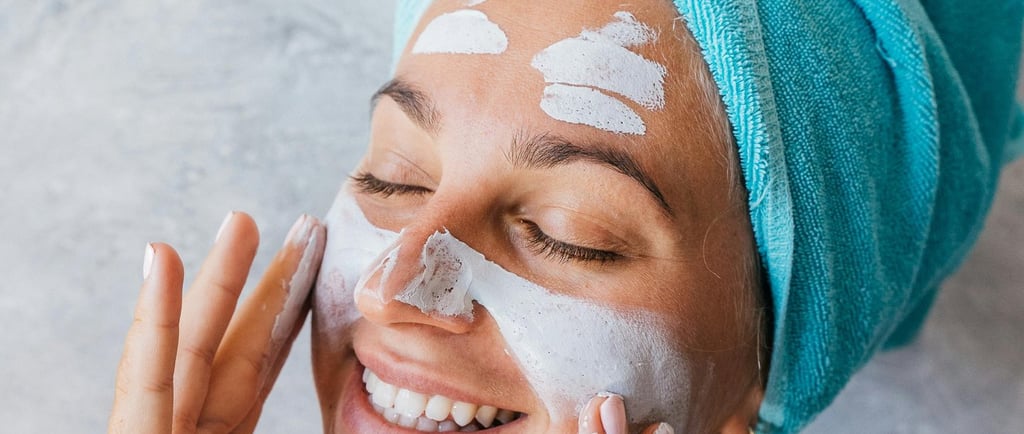
Start with moisture retention before you ever step outside. A rich overnight face treatment like the Superberry Hydrate + Glow Dream Mask from Youth To The People helps replenish moisture lost during the day and supports the skin barrier while you sleep.
Hands often take the most abuse. Reusable moisturizing glove masks like those from TOI are an easy recovery tool after a long ski day, especially when paired with a thick cream and worn while winding down at night.
Environmental moisture matters too. Running a compact bedroom humidifier such as those from Levoit can make a noticeable difference in how skin feels by morning, especially in mountain towns where indoor heat dries the air even further.
Barrier support is key for sensitive or overworked skin. A rich moisturizer like the Ultra Repair Cream from First Aid Beauty helps protect compromised skin and calm irritation after exposure.
And while not a daily essential, red light therapy masks from brands like FAQ can support skin recovery and circulation during longer trips or intense ski weeks.
Why This Matters to Skahdi
Skahdi is built on the belief that performance starts with comfort. That includes how your skin feels under your layers.
Base layers that breathe, move, and regulate moisture properly reduce friction and irritation. They support skin instead of working against it. They allow hydration to stay where it belongs.
When your skin is calm, your body regulates better. When your body regulates better, you ski longer. And when nothing is pulling at your attention, the mountain becomes the only thing that matters.
Skincare on the mountain is not about luxury. It is about longevity.
And that is part of our Why.
Contact
Reach out anytime for questions or feedback.
info@skahdi.com